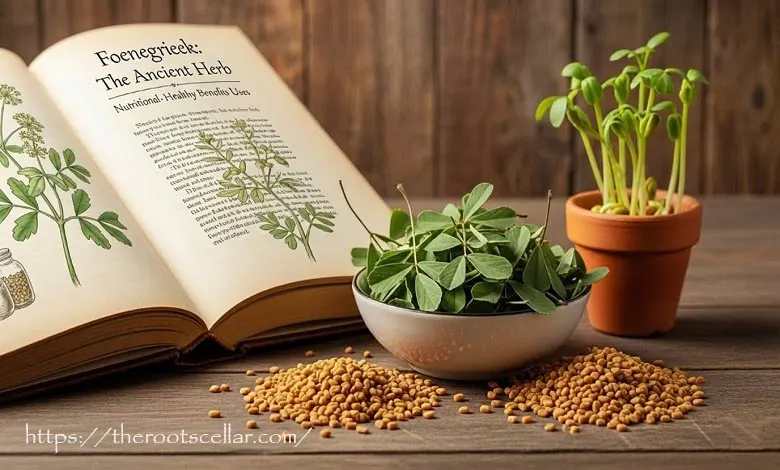
Some natural remedies have a funny way of sticking around. They don’t shout for attention or follow trends. Instead, they sit patiently in spice jars, handwritten notebooks, or grandma’s kitchen advice, waiting to be noticed again. Foenegriek is exactly that kind of herb. Known to many as fenugreek, it has moved gently from ancient healing traditions into today’s wellness routines without ever really changing who it is.
Lately, you’ll hear foenegriek mentioned in wellness blogs, nutrition chats, and even gym conversations. But this isn’t some overnight discovery. It feels more like the modern world is finally catching up with what older cultures understood all along.
So, What Exactly Is Foenegriek?
At first glance, foenegriek doesn’t look impressive. It’s a small, golden-brown seed with a slightly bitter bite and a warm, almost comforting smell. Yet don’t let its size fool you. This little seed has been doing big work for centuries.
You’ll find foenegriek showing up in many forms. It’s used as a cooking spice, brewed into tea, ground into supplements, and even mixed into homemade skincare treatments. It adapts easily, which might explain why it has survived so long.
Back in the day, no one called foenegriek a superfood. People didn’t need fancy labels. They used it because it helped, plain and simple, even without understanding the science behind it.
A Look Back: Foenegriek in Ancient Healing
Long before wellness apps and nutrition charts existed, foenegriek already had a respected role in traditional medicine. Ancient Egyptians valued it for healing purposes and even used it in sacred rituals. In Ayurvedic practice, it was known for supporting digestion and maintaining balance in the body.
Healers often soaked foenegriek seeds overnight and used the water as a daily tonic. Some ground the seeds into pastes, while others mixed them directly into meals for strength and recovery. There was no rush, no promise of instant results.
These methods were shared quietly, passed from parent to child, much like treasured family recipes.
Why Foenegriek Never Faded Away
Plenty of herbs have enjoyed short bursts of popularity, only to disappear later. Foenegriek took a different path. It never vanished; it simply stayed in the background.
It remained part of everyday cooking, home remedies, and cultural traditions. Even as modern medicine advanced, people didn’t completely abandon foenegriek. It felt familiar and safe.
Part of its charm is that it’s food first and remedy second. It doesn’t feel extreme or intimidating. And over time, people noticed its gentle support for digestion, energy, and balance—no dramatic claims needed.
Foenegriek and Digestive Comfort
Digestive problems have become incredibly common. Stress, fast food, irregular meals—it all adds up. This is where foenegriek often enters the picture.
Traditionally, it was used to calm the stomach and ease discomfort after eating. Many people still soak foenegriek seeds overnight and drink the water first thing in the morning.
It doesn’t act aggressively. Instead of pushing the system, it works slowly, more like setting a steady pace than hitting fast-forward.
A Gentle Approach to Metabolism
When people talk about metabolism, they often think only about weight. But metabolism is really about how the body manages energy. Foenegriek has long been associated with supporting that balance.
Some include it in their diet to maintain steady energy levels. Others notice fewer sudden cravings throughout the day.
Foenegriek’s Place in Everyday Food
One big reason foenegriek has lasted so long is its role in cooking. Across Indian, Middle Eastern, and Mediterranean cuisines, it adds warmth and depth to dishes.
The seeds appear in spice mixes, curries, and pickles. The leaves—commonly known as methi—are used fresh or dried in vegetables and breads.
Eating foenegriek as part of meals might be the most natural way to enjoy its benefits. Wellness becomes part of daily life without extra effort.
A Taste That Grows on You
Foenegriek has a mild bitterness, but it’s the kind that feels comforting over time. Think of coffee or dark chocolate—acquired tastes that eventually feel essential.
That bitterness isn’t accidental. Traditional wisdom often links bitter flavours to digestive support and appetite awareness.
Once you’re used to it, foenegriek becomes one of those flavours you notice most when it’s missing.
When Old Wisdom Meets New Science
What’s fascinating is how modern research often supports traditional beliefs. Scientists are now studying foenegriek for digestion, metabolism, and heart health.
This doesn’t mean ancient healers knew everything in scientific terms. They simply paid close attention to patterns and results.
Foenegriek sits right at the intersection of experience and research.
Energy Without the Crash
In many cultures, foenegriek was used during recovery after illness, childbirth, or exhaustion. It was meant to rebuild strength slowly.
Unlike caffeine, it doesn’t create sudden highs followed by crashes. The energy it supports feels steady and sustainable.
That’s a big reason it appeals to people tired of quick fixes.
Foenegriek in Hair Care Traditions
Foenegriek isn’t only about internal health. It has a long-standing place in hair care routines, too.
People soaked the seeds, ground them into a paste, and applied them to the scalp. The focus wasn’t instant shine but long-term strength.
Even today, many natural hair treatments still rely on foenegriek.
Gentle Skin Care Roots
In traditional skincare, foenegriek was used to calm irritation and dryness. Its natural properties made it suitable for sensitive skin.
It was often mixed with water or yogurt and applied gently. The goal was nourishment, not harsh correction.
That mindset fits perfectly with today’s shift toward simple, natural skincare.
Foenegriek in Today’s Supplements
Nowadays, foenegriek comes in capsules, powders, and teas. This makes it convenient for people who don’t enjoy the taste.
Still, many prefer traditional methods. Soaking seeds or cooking with them feels grounding, almost meditative.
Both options work. It really depends on your lifestyle and preferences.
How People Actually Use Foenegriek Now
Some start their mornings with soaked foenegriek water. Others sprinkle seeds into meals or brew a mild tea.
Fitness-minded individuals may include it as part of a nutrition plan, while home cooks simply enjoy the flavor.
That flexibility is part of its charm. There’s no strict rulebook.
Foenegriek Compared to Trendy Herbs
Next to trendy herbs with bold claims, foenegriek feels modest. It doesn’t come with flashy packaging or dramatic promises.
But that’s exactly why it works. It fits naturally into daily routines without pressure.
It’s less like a superhero and more like a dependable companion.
Cultural and Emotional Connections
For many people, foenegriek is tied to memory. The smell of methi cooking can instantly bring back childhood or family moments.
These emotional layers matter. Wellness isn’t just physical; it’s also cultural and emotional.
Foenegriek carries stories along with nutrients.
Is Foenegriek for Everyone?
Like most things, foenegriek isn’t the same experience for everyone. Some love the taste immediately. Others need time.
Traditional use always emphasized moderation. Balance mattered more than quantity.
Listening to your body will always beat chasing trends.
Small Habits That Add Up
Foenegriek works best when used consistently. Small daily habits make a bigger difference than occasional extremes.
You don’t have to be perfect. Awareness and routine matter more.
That’s a lesson modern wellness often overlooks.
Why Foenegriek Fits Today’s Wellness Mindset
People are moving away from extreme diets and quick fixes. Sustainable habits are becoming the goal.
Foenegriek fits right into this shift. It’s simple, affordable, and deeply rooted in tradition.
It supports balance over time, not an overnight transformation.
Easy to Use, Even on Busy Days
Even with a packed schedule, foenegriek is easy to include. Soaking a teaspoon overnight takes seconds.
Adding it to food doesn’t require special skills. It blends into life instead of interrupting it.
That simplicity makes it practical, not stressful.
Old Lessons for a Fast World
Foenegriek reminds us that health doesn’t have to be complicated. Ancient cultures focused on rhythm, routine, and balance.
They trusted nature and paid attention to how the body responded.
In today’s fast-paced world, that wisdom feels surprisingly comforting.
The Quiet Strength of Foenegriek
Foenegriek never shouts its benefits. It doesn’t rely on hype or trends.
Its strength comes from centuries of use and consistent results. That kind of trust can’t be manufactured.
Like good health, it’s built slowly.
Conclusion
Foenegriek’s move from ancient medicine to modern wellness feels effortless. It didn’t need reinvention—just recognition.
In a world obsessed with shortcuts, foenegriek offers patience, balance, and familiarity. It supports the body gently, like a steady hand instead of a shove.
Whether you use it in food, tea, or traditional remedies, foenegriek fits into real life. And maybe that’s why, after thousands of years, it’s still here—quietly doing its job, one tiny seed at a time.
FAQs:
A. Foenegriek is the Dutch term for fenugreek, a plant whose seeds and leaves have been traditionally used in cooking and herbal practices.
A. Fenugreek has a long history of traditional use, including as a culinary ingredient and in various herbal preparations.
A. Foenegriek contains fiber and various plant compounds and is being studied for potential effects on blood sugar, digestion, and other aspects of health.
A. It can be used as a spice, brewed as a tea, incorporated into foods, or found in certain herbal products.
A. Not necessarily. It may interact with certain medicines and may not be appropriate for everyone. Anyone taking medication or who is pregnant should consult a healthcare professional before using concentrated fenugreek products.