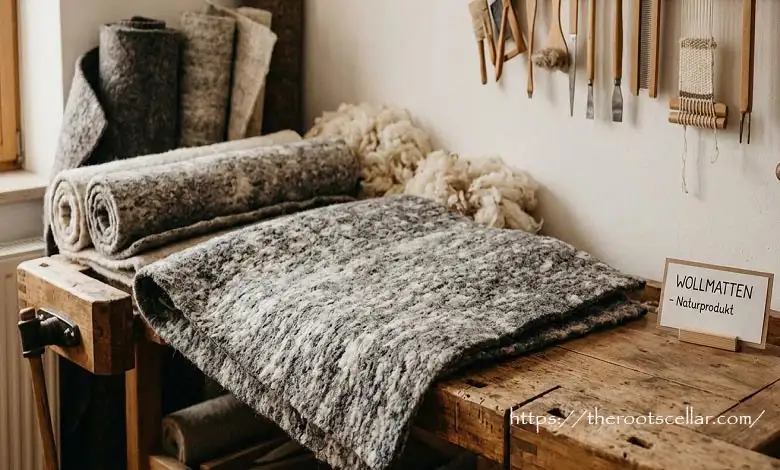
If you spend enough time gardening, you eventually start looking for smarter ways to protect your soil. Weeds grow faster than vegetables. Rain washes away freshly planted areas. Hot sun dries out beds you watered just yesterday. For years, the common solutions have been plastic landscape fabric, bark mulch, or straw. But more gardeners are now turning to a different option: wollmatten.
Wollmatten — literally wool mats — are exactly what the name suggests. They are thick mats made from natural sheep’s wool, designed to sit directly on the soil. While they may sound simple, their performance in the garden is surprisingly effective. They combine moisture control, weed suppression, soil protection, and gradual soil improvement in one material.
This isn’t a trend driven by marketing. It’s a practical solution rooted in agriculture, particularly in regions where wool has always been readily available. Let’s take a closer look at what wollmatten really are, how they work, and whether they make sense for your garden or landscape.
What Exactly Are Wollmatten?
Wollmatten are compressed or felted layers of sheep’s wool formed into sheets or rolls. The wool used is often lower-grade wool that is not suitable for clothing production. Instead of going to waste, it is processed into dense mats for horticultural use.
These mats are placed on top of soil in garden beds, around plants, on slopes, or over newly seeded areas. Unlike plastic fabrics, they are fully biodegradable when made from pure wool. Over time, they slowly break down and become part of the soil.
The concept is simple: protect the soil surface while improving it at the same time.
Why Wool Works So Well Outdoors
Wool has natural properties that make it uniquely suited for gardening.
First, it holds water. Wool fibres can absorb moisture without becoming soggy. When you place a wool mat over soil, it captures rain and irrigation water, then releases it gradually. The soil beneath stays moist longer, which reduces how often you need to water.
Second, wool insulates. Just like a wool sweater protects against temperature swings, wollmatten help buffer soil from extreme heat during the day and sudden cooling at night. This is especially helpful for young seedlings and shallow-rooted plants.
Third, wool contains nutrients. As the mat slowly decomposes, it releases nitrogen and small amounts of other organic compounds into the soil. It is not a fast fertilizer, but over time it contributes to soil fertility.
Finally, wool forms a physical barrier. Because the mat blocks light from reaching the soil surface, many weeds fail to germinate. The ones that do appear are usually weaker and easier to remove.
Where Wollmatten Are Most Useful
You don’t need a large farm to use wollmatten. They work just as well in small home gardens.
In vegetable beds, they are often laid between rows or around individual plants. Tomatoes, peppers, cucumbers, and squash all benefit from consistent soil moisture. The mat keeps the surface from drying and cracking, especially in summer.
When establishing a new lawn, wool mats can be placed over freshly seeded ground. Grass seeds are protected from birds and heavy rain. The consistent moisture underneath improves germination rates. Once the grass is established, the mat gradually breaks down.
On slopes, wollmatten are particularly valuable. Bare soil on an incline is vulnerable to erosion. A properly secured wool mat helps hold everything in place until roots take over.
They are also useful around newly planted trees and shrubs. A circular wool mat at the base of a tree reduces competition from weeds and keeps the root zone cooler.
Comparing Wollmatten to Other Ground Covers
Most gardeners weigh wool mats against mulch or synthetic landscape fabric. Each option has strengths and weaknesses.
| Feature | Wollmatten | Bark/Straw Mulch | Plastic Landscape Fabric |
| Biodegradable | Yes | Yes | No |
| Adds Nutrients | Yes | Yes | No |
| Long-Term Plastic Waste | No | No | Yes |
| Moisture Retention | High | Moderate | Low |
| Weed Control | Strong | Moderate | Strong |
Mulch is affordable and natural, but it shifts easily and needs to be replenished. Plastic fabric blocks weeds effectively but often becomes brittle over time and can interfere with soil health. Wollmatten sit somewhere in between — durable enough to last a season or two, yet natural enough to integrate into the soil.
Installation in Real-Life Terms
Using wollmatten is not complicated, but a little preparation helps.
Start by clearing weeds and smoothing the soil surface. Lay the mat flat and overlap the edges slightly so no gaps remain. Secure it with biodegradable stakes, especially if wind is a concern. Once in place, water it thoroughly. You’ll notice the wool darkens as it absorbs moisture.
If you’re planting through it, cut a small opening just large enough for the plant. Avoid large cuts, as that reduces weed protection.
From there, maintenance is minimal. Occasionally check that it hasn’t shifted. Beyond that, the mat does most of the work on its own.
How Long Do Wollmatten Last?
This depends on climate and thickness. In wetter environments with active soil life, decomposition happens faster. In dry conditions, mats may last longer.
Generally, you can expect visible breakdown within one to three years. That may sound short compared to plastic fabric, but remember — the goal isn’t permanence. The goal is to protect soil while plants establish themselves, then allow the material to return to the earth.
Are There Any Downsides?
Wollmatten are not perfect for every situation. In very windy areas, they must be secured carefully. In extremely wet climates, they may decompose more quickly than expected. And the upfront cost can be higher than straw or basic mulch.
However, many gardeners find that the reduced watering, fewer weeds, and healthier soil offset the initial investment.
The Bigger Picture: Sustainability
One reason wollmatten are attracting attention is environmental awareness. Plastic-based landscape materials often leave fragments behind as they age. These fragments can remain in soil for years.
Wool mats, when made without synthetic blends, break down naturally. They support soil organisms rather than isolating them. For gardeners who prioritize organic methods and reduced plastic use, this matters.
Wool is also renewable. Sheep grow new fleece every year. Turning excess wool into garden mats is a practical way to use a natural resource efficiently.
Final Thoughts
Wollmatten are not a miracle product, and they don’t replace good gardening practices. But they offer a thoughtful, natural solution to common problems: drying soil, stubborn weeds, and erosion.
If you prefer working with materials that improve your soil rather than simply covering it, wool mats are worth considering. They protect the ground when needed and gradually disappear once their job is done.
In a world where so many gardening products are synthetic and disposable, that simple, natural cycle feels refreshingly practical.
FAQs:
A. Wollmatten are garden mats made from wool or wool fibers. They can be used around plants to help protect soil, retain moisture, and provide a natural alternative to some synthetic garden materials.
A. Wollmatten can be used as soil covers, mulch alternatives, weed barriers, and protective layers around plants. They may also help regulate soil moisture and temperature.
A. Yes, wool mats can be useful for many plants when installed correctly. Their natural fibers can help maintain moisture and provide a protective layer over the soil.
A. Wollmatten can reduce weed growth by covering the soil and limiting light reaching weed seeds. However, they may not eliminate weeds.
A. Their lifespan depends on the wool material, weather conditions, moisture, and how they are used. Natural wool mats gradually break down over time, making them a biodegradable gardening option.