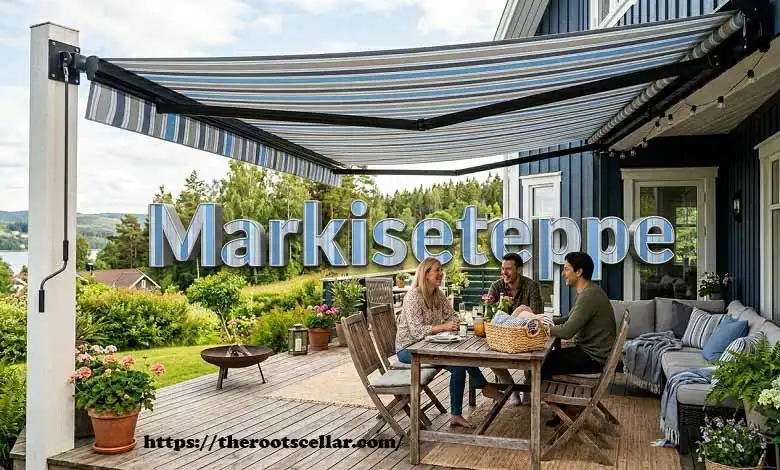
Outdoor comfort has become a major focus in modern home design and commercial architecture. As people spend more time on patios, balconies, terraces, and garden spaces, the demand for smart shading and durable outdoor textiles is expected to continue growing. One term that has recently gained attention in this space is markiseteppe.
If you have searched for markiseteppe, you may have noticed that the explanation varies across different websites. Some describe it as a fabric, others as an awning system, and some as an outdoor rug. To provide clarity, this article explains the exact meaning of markiseteppe, its origin, materials, uses, advantages, and practical buying considerations — all in a clear, human-written, and informative style.
What Is Markiseteppe?
The term markiseteppe combines two European words:
- Markise – commonly used in German and Scandinavian languages to describe an awning or sunshade.
- Teppe – a Scandinavian word meaning carpet, rug, or textile covering.
Together, markiseteppe refers to a durable outdoor textile solution used for shading, covering, and enhancing exterior spaces. It is not just a simple awning, and it is not merely an outdoor rug. Instead, it represents a hybrid concept that merges shading functionality with textile durability and aesthetic appeal.
In practical use, a markiseteppe can function as:
- A retractable fabric awning
- A fixed outdoor canopy covering
- A heavy-duty terrace textile
- A ground covering under awning setups
- A protective outdoor fabric system
The defining characteristic of markiseteppe is that it is designed specifically for outdoor conditions, combining protection, comfort, and visual design.
Origin and Background of Markiseteppe
The concept of markiseteppe is closely associated with Scandinavian and Northern European outdoor design traditions. In these regions, outdoor living spaces are treated as extensions of indoor areas, even in climates that experience strong sun, wind, or rain.
Designers in these areas prioritize:
- Functional protection from the weather
- Clean, minimalist aesthetics
- Long-lasting textile materials
- Flexible shading solutions
As outdoor furniture and exterior architecture evolved, so did textile systems that could handle environmental stress while maintaining appearance. Markiseteppe emerged as a modern solution that blends these needs into a single concept.
Core Features of Markiseteppe
Understanding the key features of markiseteppe helps distinguish it from standard shading materials.
1. Weather-Resistant Construction
Markiseteppe fabrics are engineered to resist:
- UV radiation
- Moisture and light rain
- Mould and mildew
- Color fading
- Fabric stretching
Unlike ordinary fabrics, these textiles are built for long-term exposure to outdoor conditions.
2. UV Protection
One of the most important functions of markiseteppe is sun protection. High-quality outdoor textiles can block a significant percentage of ultraviolet rays. This helps protect:
- Skin from prolonged exposure
- Outdoor furniture from fading
- Wooden decks from discoloration
- Interior spaces from overheating
UV protection is especially valuable in warm and sunny regions.
3. Temperature Control
By blocking direct sunlight, markiseteppe systems help lower surface temperatures in outdoor spaces. Shaded areas can feel significantly cooler than exposed areas, making patios and balconies usable even during hot midday hours.
In addition, shading windows with exterior textile systems can help reduce indoor heat buildup, potentially lowering cooling costs.
4. Design Flexibility
Markiseteppe is available in a wide range of:
- Solid colors
- Neutral tones
- Striped patterns
- Contemporary textures
This allows homeowners and businesses to match outdoor textiles with architectural style, furniture, and branding.
5. Structural Versatility
Markiseteppe can be installed in different structural formats:
- Retractable wall-mounted systems
- Pergola-integrated fabric covers
- Freestanding canopy frames
- Tension-mounted shade structures
This flexibility makes it suitable for both residential and commercial applications.
Materials Used in Markiseteppe Systems
The durability of a markiseteppe depends heavily on material quality. Common materials include:
Solution-Dyed Acrylic
This is a premium outdoor fabric where colour is added during fibre production rather than after weaving. Benefits include:
- Strong resistance to fading
- Long-term color stability
- Breathability
- Soft textile feel
This material is often used in high-end awning systems.
Coated Polyester
Polyester treated with protective coatings provides:
- Water resistance
- Improved tear strength
- Mold resistance
- Dimensional stability
It is commonly used in retractable systems.
PVC-Coated Technical Fabrics
These are more industrial-grade textiles, often used in commercial environments. They offer:
- High waterproof capability
- Strong structural tension resistance
- Increased wind tolerance
However, they may be less breathable than acrylic fabrics.
Common Uses of Markiseteppe
Markiseteppe systems are highly versatile. They are commonly used in:
Residential Settings
- Patios and decks
- Garden seating areas
- Balconies
- Poolside lounges
- Outdoor dining spaces
Homeowners use markiseteppe to create shaded outdoor “rooms” that feel comfortable and defined.
Commercial Settings
- Restaurant outdoor seating areas
- Café terraces
- Hotel courtyards
- Resort pool areas
- Storefront shading systems
In commercial environments, markiseteppe not only provides comfort but also enhances visual appeal and brand presentation.
Fixed vs. Retractable Markiseteppe
When selecting a system, understanding the distinction between fixed and retractable options is crucial.
Fixed Systems
- Permanently installed
- Stable and simple
- Lower mechanical maintenance
- Suitable for consistent shade needs
These systems work well in areas where shade is required most of the day.
Retractable Systems
- Extend and retract as needed
- Can be manual or motorized
- Offer flexibility for changing weather
- Require occasional mechanical maintenance
These are ideal for regions with varying sunlight conditions.
Benefits of Installing Markiseteppe
Investing in a markiseteppe system offers several practical benefits:
Increased Outdoor Usability
Shaded areas become more comfortable for relaxing, dining, or social gatherings.
Protection of Furniture
Outdoor cushions, wooden furniture, and décor last longer when shielded from direct sunlight and rain.
Energy Efficiency
Exterior shading can help reduce heat entering a building, which may lower cooling costs during summer.
Enhanced Property Value
Well-designed outdoor spaces increase visual appeal and may add value to a home or business property.
Maintenance and Care
Although markiseteppe systems are durable, proper maintenance extends their lifespan.
Basic care includes:
- Cleaning with mild soap and water
- Removing dirt and debris regularly
- Ensuring the fabric is dry before retracting
- Inspecting hardware and brackets annually
- Retracting systems during severe storms
Avoid harsh chemicals and high-pressure washing, which may damage fabric coatings.
How Long Does Markiseteppe Last?
With proper installation and maintenance, a high-quality markiseteppe system can last between 10 and 15 years, sometimes longer.
Factors affecting lifespan include:
- Climate conditions
- Frequency of use
- Material quality
- Installation standards
- Maintenance routine
Premium fabrics typically outlast lower-cost alternatives.
How to Choose the Right Markiseteppe
When selecting a system, consider:
- Climate conditions in your region
- Wind exposure levels
- Budget range
- Desired aesthetics
- Installation surface strength
- Whether flexibility (retractable) is needed
Consulting with a professional installer ensures structural safety and proper mounting.
Common Misunderstandings About Markiseteppe
There are a few common misconceptions:
It is just an outdoor rug.
Not exactly. While the term includes teppe, it refers to a textile shading solution, not merely a carpet.
It is the same as any awning.
Traditional awnings focus purely on shade, while markiseteppe emphasizes textile durability, design, and versatility.
It requires heavy maintenance.
In reality, maintenance is minimal if high-quality materials are used.
Final Thoughts
Markiseteppe represents a modern approach to outdoor shading and textile design. It combines durability, sun protection, weather resistance, and visual enhancement in one integrated solution.
Whether installed on a residential patio, a commercial café terrace, or a hotel courtyard, markiseteppe systems improve comfort and usability while maintaining aesthetic appeal.
As outdoor living continues to grow in importance, solutions like markiseteppe are becoming essential rather than optional. By choosing quality materials, proper installation, and regular maintenance, property owners can enjoy shaded, functional, and visually appealing outdoor spaces for many years.
If you are planning to upgrade your outdoor area, understanding the exact features and benefits of markiseteppe will help you make a confident and informed decision.