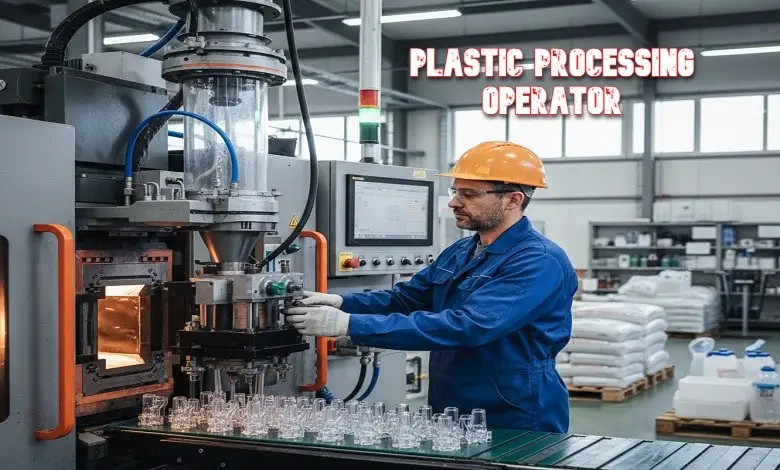
In many factories, the day starts long before finished plastic products appear on pallets or conveyor belts. Machines need to be prepared, materials checked, and settings adjusted. This early work is usually handled by the plastic processing operator. It is a role that rarely gets attention, yet it plays a central part in keeping manufacturing running smoothly.
People searching for information about a plastic processing operator are often trying to understand whether this job suits them. Some want to know what the work actually feels like. Others are interested in a plastic processing operator job because they are looking for stable employment or a hands-on career. Many also ask about a plastic processing operator course, wondering if training is necessary or worth the time. To answer those questions honestly, it helps to move away from textbook explanations and talk about the job as it exists in real workplaces.
What a Plastic Processing Operator Really Does
At its core, a plastic processing operator works with machines that turn raw plastic into usable products. These machines heat plastic pellets or granules until they melt, shape the material using molds or dies, and then cool it so it holds its form. The process sounds simple, but the reality is more involved.
Operators are responsible for making sure machines are set correctly and continue to run as expected. They watch temperatures, pressures, cycle times, and material flow. They also check the products coming off the machine. If something looks wrong, even slightly, it is their job to react before the problem grows.
This role is not about pressing a button and waiting. Machines need attention. Plastic behaves differently depending on material type, moisture, and heat. A good operator learns to notice these changes early, sometimes before a defect becomes obvious.
Inside a Plastic Processing Operator Job
A plastic processing operator job usually takes place in a factory or production plant. These environments are practical, busy, and focused on output. Many plants operate continuously, which means shift work is common. Operators may work early mornings, evenings, nights, or rotating shifts.
The workday often starts with preparation. Operators review production instructions, check raw materials, and make sure the correct molds or tooling are installed. Once production begins, the operator stays nearby. Finished parts are checked regularly for size, shape, and surface quality.
Factories can be noisy and warm. Standing for long periods is normal, and operators often move between machines. The pace can feel repetitive, but it also requires steady attention. Losing focus can result in wasted material or machine downtime.
Why Experience Matters in Plastic Processing
Plastic processing is sensitive. A small adjustment can make a big difference. Too much heat can weaken a product. Too little pressure can cause incomplete filling. Cooling too fast or too slowly can change strength and appearance.
This is why experienced plastic processing operators are valued. Over time, operators develop a feel for the process. They recognize warning signs early. A machine might sound slightly different or a product surface might change in a small way. These signals guide the operator’s decisions.
Much of this knowledge is learned on the job. New operators often work alongside experienced ones, picking up tips that are never written down. This practical learning is a big part of the profession.
Skills Used Every Day on the Job
The skills required for a plastic processing operator job are mostly practical. Mechanical awareness helps, but you do not need to be an engineer. What matters more is the ability to observe, think clearly, and stay patient.
Operators must pay attention for long periods. They need to handle materials safely and follow procedures carefully. Physical stamina matters because the job involves standing, lifting, and moving around machines.
Communication is also important. Operators report issues, explain observations, and coordinate with supervisors or maintenance teams. Clear communication helps avoid mistakes and keeps production moving.
Different Plastic Processing Methods Operators Work With
Not all plastic processing looks the same. Some operators work with injection moulding machines that produce detailed parts. Others work on extrusion lines that create long products like pipes or sheets. Blow moulding is used to make hollow items such as bottles, while thermoforming shapes heated plastic sheets.
Each method uses different equipment, but the operator’s responsibility remains similar. The focus is always on controlling the process, checking quality, and maintaining safety. Many operators start with one method and learn others as they gain experience.
Safety and Responsibility on the Factory Floor
Safety is a constant part of plastic processing work. Machines operate at high temperatures and pressures. Operators wear protective equipment and follow strict rules. These rules are not optional, even during busy shifts.
A plastic processing operator job requires discipline. Skipping steps or rushing tasks can lead to injuries or damage. Experienced operators understand that working safely also means working efficiently.
Why People Choose This Career Path
Many people choose to become plastic processing operators because the work is steady. Plastic products are used in many industries, so demand is consistent. Once trained, operators often find long-term employment.
Another reason is the sense of skill development. Over time, operators gain confidence in handling machines and materials. There is satisfaction in knowing how to solve problems and keep production running smoothly.
For people who prefer practical work over office jobs, this role can feel rewarding. The results of the work are visible and tangible.
The Role of a Plastic Processing Operator Course
Some operators learn everything on the job, but many benefit from formal training. A plastic processing operator course provides structured learning that introduces the basics before stepping into a factory.
These courses explain how different plastics behave, how machines operate, and why safety rules exist. Understanding the theory behind the process helps operators make better decisions in real situations.
Employers often prefer candidates who have completed a plastic processing operator course. It shows commitment and reduces the time needed for basic training.
What Training Courses Usually Teach
A typical plastic processing operator course covers material types, processing methods, and machine components. Learners study how heat, pressure, and time affect plastic. Safety training is a major part of the course.
Courses also focus on quality control. Trainees learn how to identify defects and understand their causes. Some programs include hands-on training, allowing learners to work with machines in a controlled setting. This practical exposure helps reduce stress when entering the workforce.
Who Should Consider Becoming a Plastic Processing Operator
This career suits people who like working with their hands and solving practical problems. It is a common choice for school leavers, technical trainees, and those changing careers.
People who enjoy routine but also appreciate small challenges often do well in this role. A plastic processing operator course can be especially helpful for those who prefer guided learning instead of learning entirely through trial and error.
Career Growth and Long-Term Opportunities
Starting as a plastic processing operator does not limit future options. With experience, operators can move into senior positions, supervise teams, or specialize in machine setup and troubleshooting.
Some operators move into quality control or maintenance roles. Others become trainers, helping new workers learn the job. The skills gained are valuable across manufacturing industries.
Challenges That Come with the Job
The job is not always easy. Shift work can affect personal routines. The factory environment demands constant focus, and repetitive tasks can be tiring.
However, many operators find pride in their work. Keeping machines running, producing consistent quality, and solving problems gives a sense of accomplishment that grows over time.
How to Prepare for a Plastic Processing Operator Job
Preparation starts with understanding the role. Learning basic mechanical concepts and safety awareness helps. Completing a plastic processing operator course provides a strong foundation.
Hands-on experience, even in entry-level manufacturing roles, builds confidence. Employers value workers who are dependable, careful, and willing to learn.
Also Read: Why Im Building Capabilisense Medium: Meaning, Purpose, and Vision Explained
Final Thoughts
A plastic processing operator plays a quiet but essential role in modern manufacturing. The job is built on attention, experience, and responsibility rather than theory alone. A plastic processing operator job offers stability, skill development, and clear paths for growth.
For those willing to learn and commit to the work, training through a plastic processing operator course and time spent on the factory floor can lead to a reliable and meaningful career. It is honest, practical work that keeps industries moving every day.
FAQs:
A. A Plastic Processing Operator operates and monitors machinery used to manufacture plastic products. Their duties may include setting up equipment, checking production processes, inspecting finished products, and maintaining a safe workplace.
A. Important skills include machine operation, attention to detail, basic mechanical knowledge, problem-solving, quality control, safety awareness, and the ability to follow technical instructions.
A. Training requirements vary by employer and location. Many operators learn through vocational programs, technical training, apprenticeships, or on-the-job instruction covering machinery, materials, production procedures, and workplace safety.
A. Plastic Processing Operators commonly work in manufacturing plants, plastics factories, packaging facilities, automotive manufacturing, and other industrial production environments.
A. It can be a good career for people interested in manufacturing, machinery, and hands-on technical work. Experience can also lead to opportunities in machine setup, quality control, maintenance, supervision, or production management.
A. Depending on the workplace, operators may work with injection molding machines, extrusion equipment, blow molding machines, thermoforming equipment, and other plastic-processing machinery.
A. Operators should follow workplace safety procedures, use appropriate personal protective equipment, maintain safe distances from moving machinery, and follow proper procedures for handling hot materials, chemicals, and equipment.