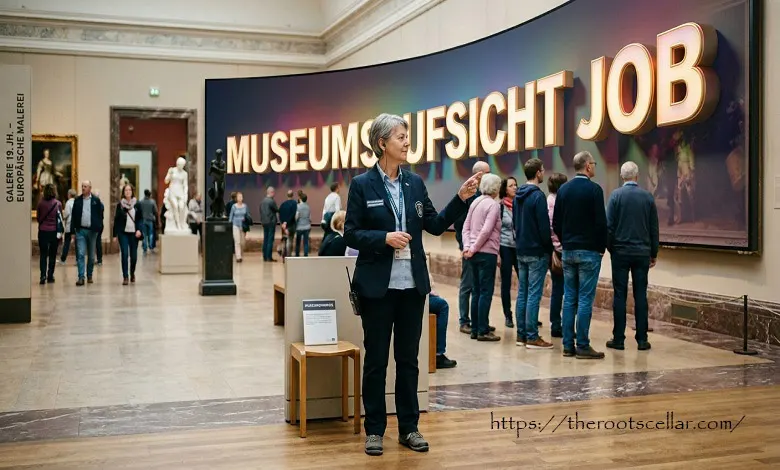
The museumsaufsicht job plays a crucial role in maintaining the safety, organization, and overall visitor experience within museums and cultural institutions. While many people admire museums for their collections of art, history, and science, fewer realize the importance of the professionals who quietly ensure everything runs smoothly behind the scenes. A museumsaufsicht, often referred to as a museum attendant or gallery supervisor, is responsible for overseeing exhibition spaces, protecting valuable artifacts, and assisting visitors throughout their journey.
This career path is ideal for individuals who enjoy working in calm, intellectually stimulating environments and have an interest in culture, history, or the arts. Whether you are looking for an entry-level role in the museum sector or aiming to build a long-term career in cultural management, understanding the details of a museumsaufsicht job is essential.
Understanding the Museumsaufsicht Job Role
A museumsaufsicht job primarily focuses on supervision and security within museum premises. Unlike curators or researchers who handle collections and academic work, museumsaufsicht staff are responsible for day-to-day operations on the floor. They ensure that visitors follow rules, exhibits remain protected, and the museum environment stays orderly and welcoming.
This role exists in various types of institutions, including art museums, historical museums, science centers, and private galleries. Depending on the institution, the responsibilities may vary slightly, but the core objective remains the same: to maintain a safe and engaging space for both visitors and exhibits.
Core Responsibilities of a Museumsaufsicht Job
The daily tasks involved in a museumsaufsicht job require attentiveness, discipline, and strong interpersonal skills. One of the most important responsibilities is monitoring visitor behaviour. Museums often house priceless artifacts and delicate artworks that can be easily damaged, so ensuring that visitors respect guidelines such as not touching exhibits or maintaining an appropriate distance is essential.
Another key duty is protecting exhibits from potential harm or theft. Museumsaufsicht staff are trained to observe unusual behaviour and respond quickly if something seems out of place. They often work in coordination with surveillance systems such as CCTV cameras and alarm systems to enhance security.
In addition to safety duties, a museumsaufsicht also assists visitors by providing directions, answering basic questions, and helping them navigate through exhibitions. While they are not expected to have in-depth academic knowledge, a general understanding of the exhibits improves the visitor experience.
Handling emergencies is another important part of the job. Whether it is a fire alarm, medical issue, or evacuation scenario, museumsaufsicht staff must remain calm and guide visitors to safety efficiently. Their role becomes especially important during crowded events or peak tourist seasons.
Essential Skills Required for a Museumsaufsicht Job
To succeed in a museumsaufsicht job, individuals need a combination of soft skills and practical awareness. Communication is one of the most critical skills, as the role involves interacting with visitors from diverse backgrounds. Being able to explain rules politely yet firmly helps maintain order without creating conflict.
Attention to detail is equally important. Museumsaufsicht staff must stay alert at all times to notice any suspicious activity or potential risks. Even small signs of damage or visitor misconduct need to be addressed quickly to prevent larger issues.
Patience and professionalism are key traits in this role. Museums can sometimes be crowded, and dealing with visitors who may not follow rules requires a calm and respectful approach. Maintaining a composed attitude ensures a positive atmosphere within the museum.
Basic knowledge of art, history, or cultural topics can also be beneficial. While not always mandatory, it allows museumsaufsicht staff to engage more meaningfully with visitors and provide helpful insights when needed.
Problem-solving skills are essential for handling unexpected situations. Whether it is resolving a misunderstanding between visitors or responding to an emergency, the ability to think quickly and act responsibly is highly valued.
Educational Requirements and Qualifications
One of the advantages of a museumsaufsicht job is that it does not always require advanced academic qualifications. In many cases, a high school diploma or equivalent is sufficient to apply for entry-level positions. This makes it an accessible career option for individuals looking to enter the museum or cultural sector.
However, candidates with a background in history, art, archaeology, tourism, or cultural studies may have an added advantage. Some museums prefer applicants who have completed vocational training or short courses related to museum operations or customer service.
On-the-job training is commonly provided, especially in larger institutions. New employees are usually trained in security protocols, visitor management, and emergency procedures. This practical training helps them adapt quickly to the responsibilities of the role.
Salary and Earnings in a Museumsaufsicht Job
The salary for a museumsaufsicht job varies depending on factors such as location, type of institution, and level of experience. In many European countries, entry-level salaries typically range between €1,800 and €2,300 per month. With experience, employees can earn between €2,500 and €3,200 monthly.
Part-time roles are also common in this field, particularly for students or individuals seeking flexible work schedules. Hourly wages for part-time museumsaufsicht positions usually fall between €10 and €15.
In some regions, salaries may differ significantly due to economic conditions and the funding structures of museums. Public museums may offer stable but moderate salaries, while private institutions or high-profile galleries may provide higher compensation.
Work Environment and Daily Experience
Working in a museumsaufsicht job offers a unique and peaceful environment compared to many other professions. Most of the work takes place indoors, within exhibition halls or gallery spaces. The atmosphere is generally quiet and organized, allowing employees to work in a culturally enriching setting.
However, the job also requires physical stamina, as it often involves standing or walking for long periods. Museumsaufsicht staff may need to monitor multiple rooms or remain stationed in specific areas throughout their shifts.
Work schedules can include weekends, holidays, and evening hours, especially in popular museums that receive high visitor traffic. Despite these challenges, many individuals find the environment rewarding due to the opportunity to engage with art, history, and diverse audiences.
Career Growth and Advancement Opportunities
Although the museumsaufsicht job is often considered an entry-level position, it can serve as a stepping stone to various career paths within the museum and cultural sector. With experience and additional qualifications, employees can move into administrative roles, where they handle operations, staffing, and visitor services.
Some individuals transition into curatorial or research positions by pursuing further education in art history or museum studies. This path allows them to work more closely with collections and exhibitions.
Another potential career direction is event management within cultural institutions. Museums frequently host exhibitions, workshops, and public programs, creating opportunities for museumsaufsicht staff to gain experience in organizing and coordinating events.
Security and operations management is another area of advancement. Experienced professionals can take on supervisory roles, overseeing teams and managing safety protocols across the المؤسسة.
Benefits of Working in a Museumsaufsicht Job
There are several advantages to choosing a museumsaufsicht job as a career. One of the most appealing aspects is the opportunity to work in a culturally rich environment surrounded by art, history, and knowledge. This can be both intellectually stimulating and personally fulfilling.
The job also provides regular interaction with people from different parts of the world, making it ideal for those who enjoy meeting new individuals and learning about different cultures.
For individuals seeking a stable and structured work environment, museumsaufsicht roles offer consistency and clear responsibilities. Additionally, the position serves as a valuable entry point into the museum industry, opening doors to future opportunities.
Challenges and Limitations
Despite its advantages, a museumsaufsicht job also comes with certain challenges. One of the most common difficulties is the physical demand of standing for long hours. This can be tiring, especially during busy periods.
The work can sometimes become repetitive, as daily tasks often follow a similar routine. Additionally, dealing with visitors who do not follow rules can be stressful, requiring patience and effective communication skills.
Career growth may be limited without further education or training. Individuals who wish to advance into higher-level roles often need to pursue additional qualifications in relevant fields.
How to Apply for a Museumsaufsicht Job
Applying for a museumsaufsicht job involves a straightforward process. Job seekers can start by searching online job portals, museum websites, and cultural institution listings. Many museums regularly post vacancies for both full-time and part-time positions.
Preparing a professional CV is essential. Candidates should highlight skills such as communication, customer service, and attention to detail. Any prior experience in tourism, hospitality, or cultural work can be beneficial.
Writing a clear and concise cover letter can also improve the chances of selection. Applicants should express their interest in museums and explain why they are suitable for the role.
Internships and volunteer work in museums can provide valuable experience and increase employability. Many institutions prefer candidates who have some familiarity with museum environments.
Tips for Success in a Museumsaufsicht Job
To excel in a museumsaufsicht job, individuals should focus on maintaining professionalism at all times. Being attentive and proactive helps prevent issues before they escalate. Learning about the exhibits, even at a basic level, can enhance interactions with visitors.
Building strong relationships with colleagues and supervisors contributes to a positive work environment. Teamwork is essential in ensuring smooth operations within the museum.
Continuous learning is also important. Attending workshops, training sessions, or pursuing further education can open up new career opportunities and improve job performance.
Future Outlook of Museumsaufsicht Jobs
The future of the museumsaufsicht job is closely linked to the growth of the cultural and tourism sectors. As museums continue to attract visitors from around the world, the demand for skilled staff remains steady.
Modern museums are increasingly integrating technology into their operations, including digital exhibits and interactive displays. This evolution may expand the role of museumsaufsicht staff, requiring them to adapt to new tools and systems.
In addition, the global focus on preserving cultural heritage ensures that museums will continue to play an important role in society, creating ongoing employment opportunities in this field.
Conclusion
The museumsaufsicht job is a valuable and rewarding career option for individuals interested in working within museums and cultural institutions. It combines responsibility, interaction, and cultural exposure in a unique professional setting. While it may begin as an entry-level role, it offers numerous opportunities for growth and development.
With the right skills, dedication, and willingness to learn, a museumsaufsicht job can serve as the foundation for a long and fulfilling career in the museum and cultural sector.
FAQs About Museumsaufsicht Job
A: It mainly involves supervising visitors, protecting exhibits, and ensuring museum rules are followed.
A: Not always. A high school diploma is usually enough, but a degree in art or history is beneficial.
A: It is generally calm but requires constant attention and dealing with visitors.
A: Yes, you can move into administration, curation, or event management roles.
A: Both options are available depending on the museum and location.