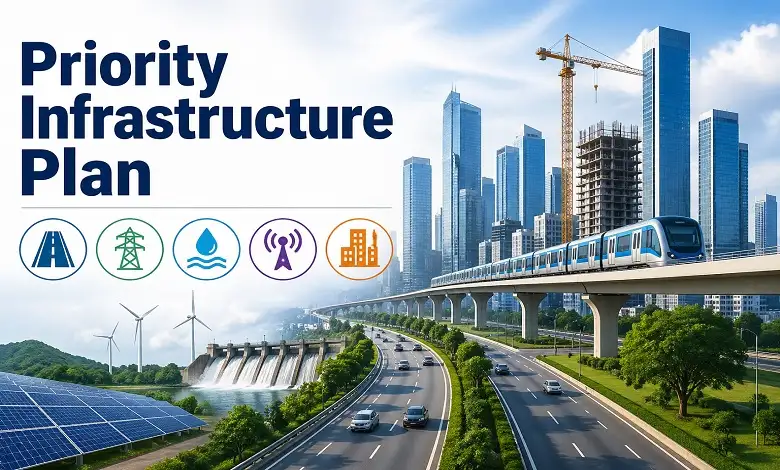
Infrastructure is the backbone of any nation’s development. From roads and bridges to digital networks and energy systems, infrastructure shapes how people live, work, and interact. In today’s fast-changing world, governments and organizations are moving beyond traditional planning methods and adopting a more strategic approach known as the Priority Infrastructure Plan (PIP). This concept is transforming how cities grow and how economies become more efficient, resilient, and sustainable.
In this comprehensive guide, we’ll explore what a Priority Infrastructure Plan is, why it matters, how it works, and how it plays a crucial role in building smarter cities and stronger economies.
Understanding the Priority Infrastructure Plan Concept
A Priority Infrastructure Plan (PIP) is a structured approach to identifying and delivering the most important infrastructure projects first. Instead of investing randomly or politically, decision-makers analyze which projects will create the highest impact and prioritize them accordingly.
Infrastructure includes everything that supports daily life and economic activity. This covers transportation systems, energy networks, digital connectivity, water supply, and urban development. A well-designed plan ensures that these elements grow together in a balanced and efficient way.
The idea behind prioritization is simple. Resources such as time, money, and labour are limited. By focusing on the most critical needs, governments can avoid waste and deliver faster, more meaningful results.
Why Priority Infrastructure Planning Is Important
The importance of a Priority Infrastructure Plan lies in its ability to guide long-term development while solving immediate challenges. When cities expand without proper planning, they often face issues like traffic congestion, pollution, housing shortages, and inefficient services.
A strategic plan helps avoid these problems by aligning infrastructure development with population growth and economic goals. It also improves coordination between different sectors, ensuring that transportation, energy, and housing systems work together instead of in isolation.
Another key benefit is financial efficiency. Governments can invest in projects that generate strong economic returns, such as highways that boost trade or digital networks that support businesses. This approach not only saves money but also increases revenue over time.
Key Elements of a Priority Infrastructure Plan
A successful Priority Infrastructure Plan is built on several important elements. First, there must be a clear vision that defines what the city or country wants to achieve. This vision could focus on economic growth, sustainability, or improving quality of life.
Next comes data analysis. Authorities study current infrastructure conditions, population trends, and future demands. This helps identify gaps and opportunities.
Project prioritization is another crucial step. Each project is evaluated based on factors such as cost, impact, feasibility, and environmental effects. Only the most beneficial projects are selected for implementation.
Funding is also a major component. Plans often combine public investment with private sector participation to ensure sufficient resources. Finally, monitoring systems are put in place to track progress and ensure accountability.
Building Smarter Cities Through Infrastructure Planning
Smart cities rely heavily on efficient infrastructure. A Priority Infrastructure Plan plays a central role in making cities more connected, sustainable, and liveable.
Transportation is one of the biggest areas of improvement. By prioritizing public transport systems, smart traffic management, and alternative mobility solutions, cities can reduce congestion and improve air quality. This leads to faster travel times and a better urban experience.
Digital infrastructure is equally important. High-speed internet and advanced communication systems enable smart governance, online services, and digital businesses. This creates a more efficient and responsive city environment.
Energy systems are also transformed through priority planning. Investments in renewable energy, energy-efficient buildings, and smart grids help reduce environmental impact while ensuring reliable power supply.
Water management and waste systems benefit as well. Modern infrastructure ensures clean water access, proper waste disposal, and better environmental protection. These improvements are essential for maintaining a healthy urban ecosystem.
Economic Benefits of Priority Infrastructure Plans
A Priority Infrastructure Plan has a direct and long-lasting impact on economic growth. One of the most immediate benefits is job creation. Infrastructure projects require skilled and unskilled labour, providing employment opportunities across multiple sectors.
Improved infrastructure also attracts investment. Businesses prefer locations with reliable transportation, stable energy supply, and strong digital connectivity. This leads to increased industrial activity and economic expansion.
Productivity increases as well. Efficient systems reduce delays, lower costs, and improve overall performance. For example, better roads reduce transportation time, while digital networks enable faster communication and transactions.
Regional development is another major advantage. By focusing on underdeveloped areas, governments can reduce economic disparities and promote balanced growth across regions.
Challenges in Implementing Infrastructure Plans
Despite its advantages, implementing a Priority Infrastructure Plan comes with several challenges. Funding is often the biggest issue, as large-scale projects require significant investment. Governments may struggle to secure enough resources without increasing debt.
Political changes can also disrupt long-term plans. New administrations may alter priorities, leading to delays or cancellations.
Title Page Separator Site title
Land acquisition is another common challenge. Infrastructure projects often require large areas of land, which can lead to disputes and delays.
Environmental concerns must also be addressed. While development is necessary, it should not harm natural ecosystems. Balancing growth with sustainability requires careful planning.
Finally, technological integration can be complex. Adopting advanced systems requires expertise, training, and continuous updates.
Solutions and Best Practices for Effective Planning
To overcome these challenges, several best practices can be adopted. Public-private partnerships are one of the most effective solutions. By involving private companies, governments can share costs and benefit from additional expertise.
Transparency is also essential. Clear communication and accountability help build trust and reduce corruption.
Community involvement plays a key role as well. When local people are included in the planning process, projects are more likely to succeed and face less resistance.
Using data and technology improves decision-making. Advanced analytics can identify the most impactful projects and optimize resource allocation.
Flexibility is another important factor. Plans should be adaptable to changing conditions, allowing adjustments when necessary.
Future Trends in Priority Infrastructure Planning
The future of infrastructure planning is shaped by innovation and sustainability. Green infrastructure is becoming a top priority, with increased focus on renewable energy, eco-friendly construction, and climate resilience.
Smart city development will continue to expand. More cities are adopting digital technologies to improve services and efficiency.
Integrated planning is also gaining importance. Instead of treating sectors separately, plans will combine transportation, energy, housing, and technology into a unified strategy.
Resilience is another key trend. Infrastructure will be designed to withstand natural disasters and climate change impacts, ensuring long-term stability.
Artificial intelligence and automation will further enhance planning and management processes, making them faster and more accurate.
Conclusion
A Priority Infrastructure Plan Explained: Building Smarter Cities and Economies highlights the importance of strategic planning in today’s rapidly evolving world. By focusing on high-impact projects, optimizing resources, and embracing technology, these plans create a strong foundation for sustainable development.
As cities continue to grow and economies become more complex, the need for smart infrastructure planning will only increase. Governments and organizations that adopt this approach will be better equipped to handle future challenges and create environments that support both people and progress.
FAQs:
A. A Priority Infrastructure Plan is a strategic framework used to identify and implement the most important infrastructure projects based on their impact and feasibility.
A. It ensures efficient use of resources, supports economic growth, improves quality of life, and promotes sustainable development.
A. It typically includes transportation, energy, water management, digital infrastructure, and urban development.
A. By improving transportation, digital connectivity, energy efficiency, and resource management, it creates more efficient and livable urban environments.
A. Common challenges include funding limitations, political changes, land acquisition issues, environmental concerns, and technological adaptation.